
The fleet
Three robots. One crew that never climbs down.
Heron lives on the wire. Wren flies the towers. Condor patrols the whole corridor. Together they see every metre of your network, every night, and file one plain report in the morning.
Heron
Line robot →
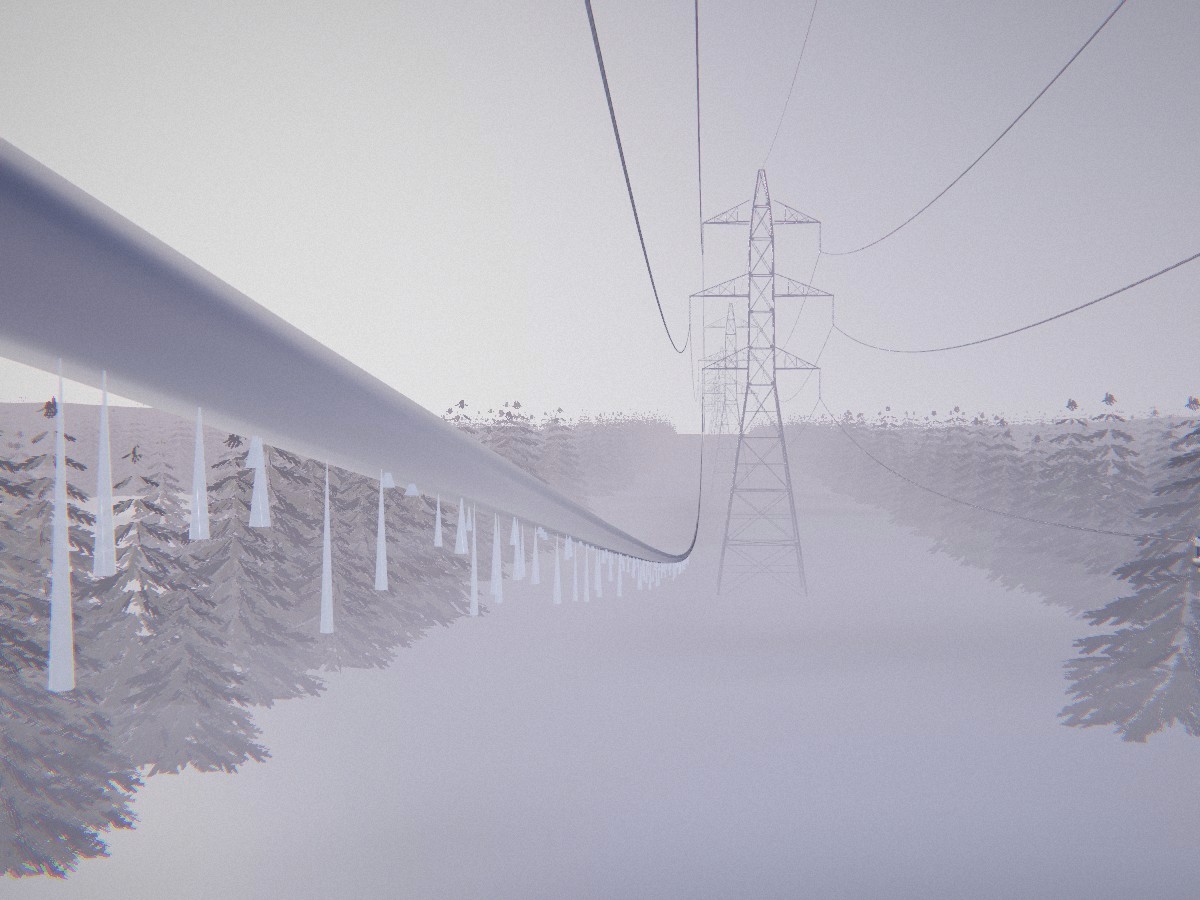
Rides energised conductors from tower to tower and charges from the line it rides.
Wren
Tower drone →
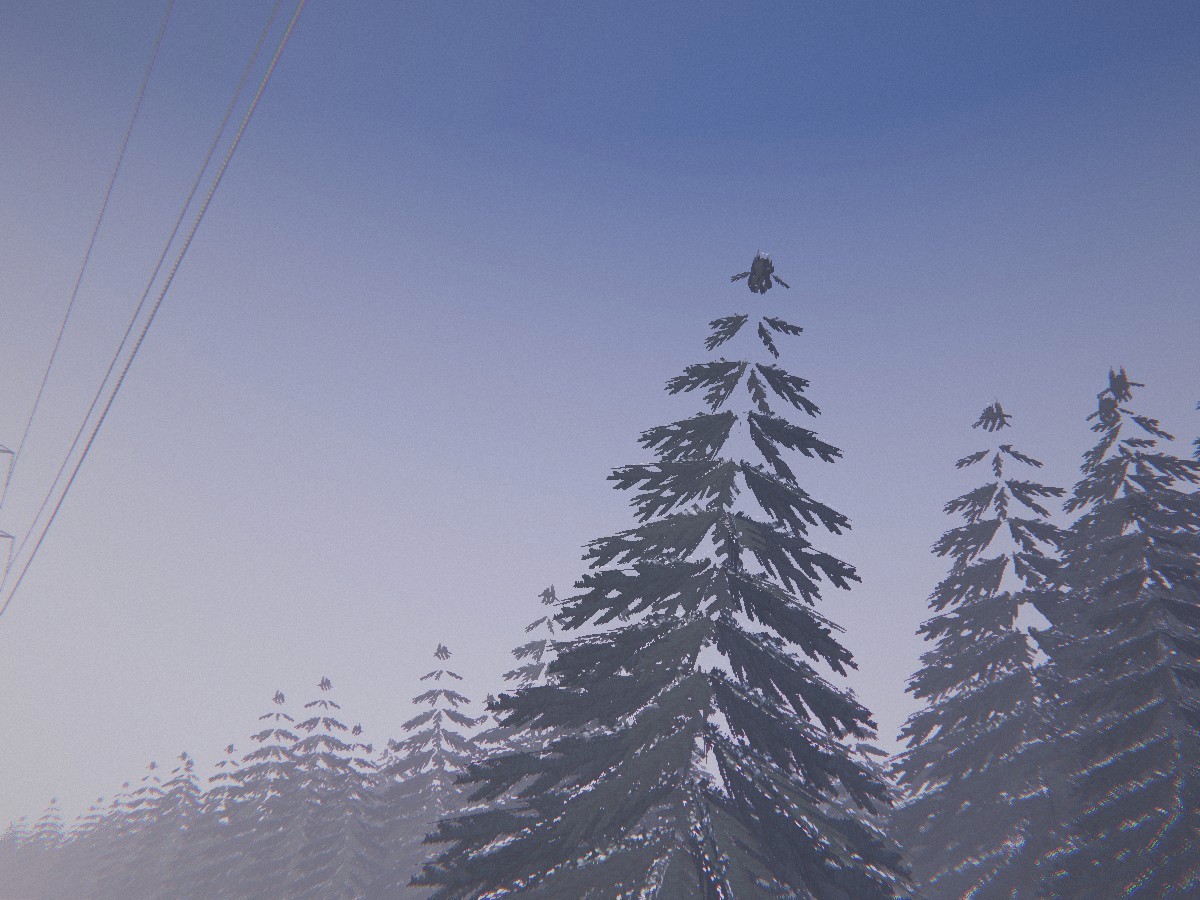
Flies a six-minute orbit around each tower and reads the stamp on a bolt from 20 metres.
Condor
Corridor VTOL →
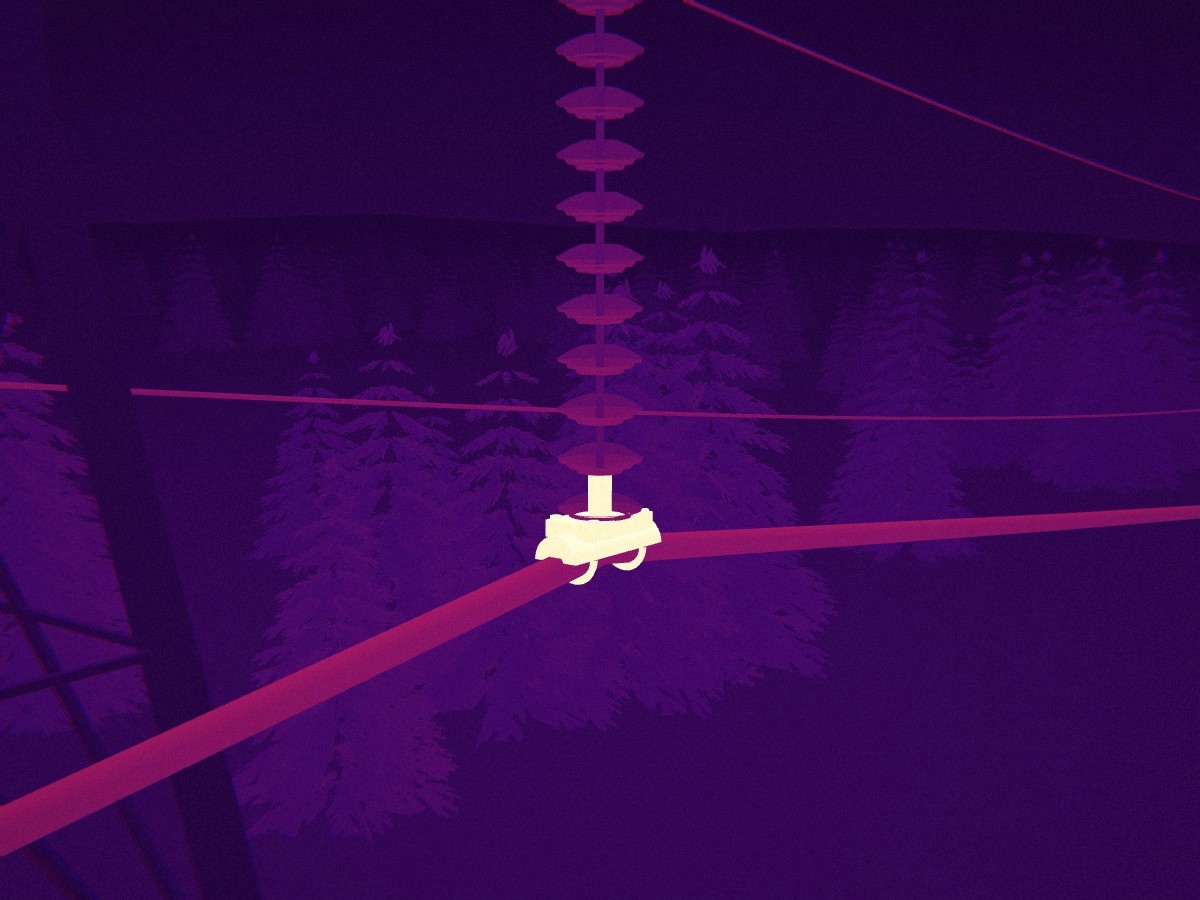
Takes off from a 3 m pad and patrols 300 km of corridor on a single charge.
Built for every span
Pick by the job: live-line inspection, tower close-ups or whole-corridor patrol. Every Stralen robot reports into the same Line Record, so findings from all three land in one list.
Heron
Line robot
Lives
On the conductor
Speed
2.4 km/h
Endurance
Indefinite
Weight
38 kg
Sees
Visible · thermal · UV · LiDAR
From
$1,900 / km / year

Wren
Tower drone
Lives
In the crew truck
Speed
54 km/h
Endurance
42 minutes
Weight
3.1 kg
Sees
30x zoom · thermal
From
$14,000 per drone

Condor
Corridor VTOL
Lives
On a 3 m pad
Speed
72 km/h
Endurance
4 h 10 min
Weight
16 kg
Sees
UV · thermal · 61 MP · LiDAR
From
$420 / km / year
01 · Line robot
Heron
Rides the conductor. Inspects every span, every night.
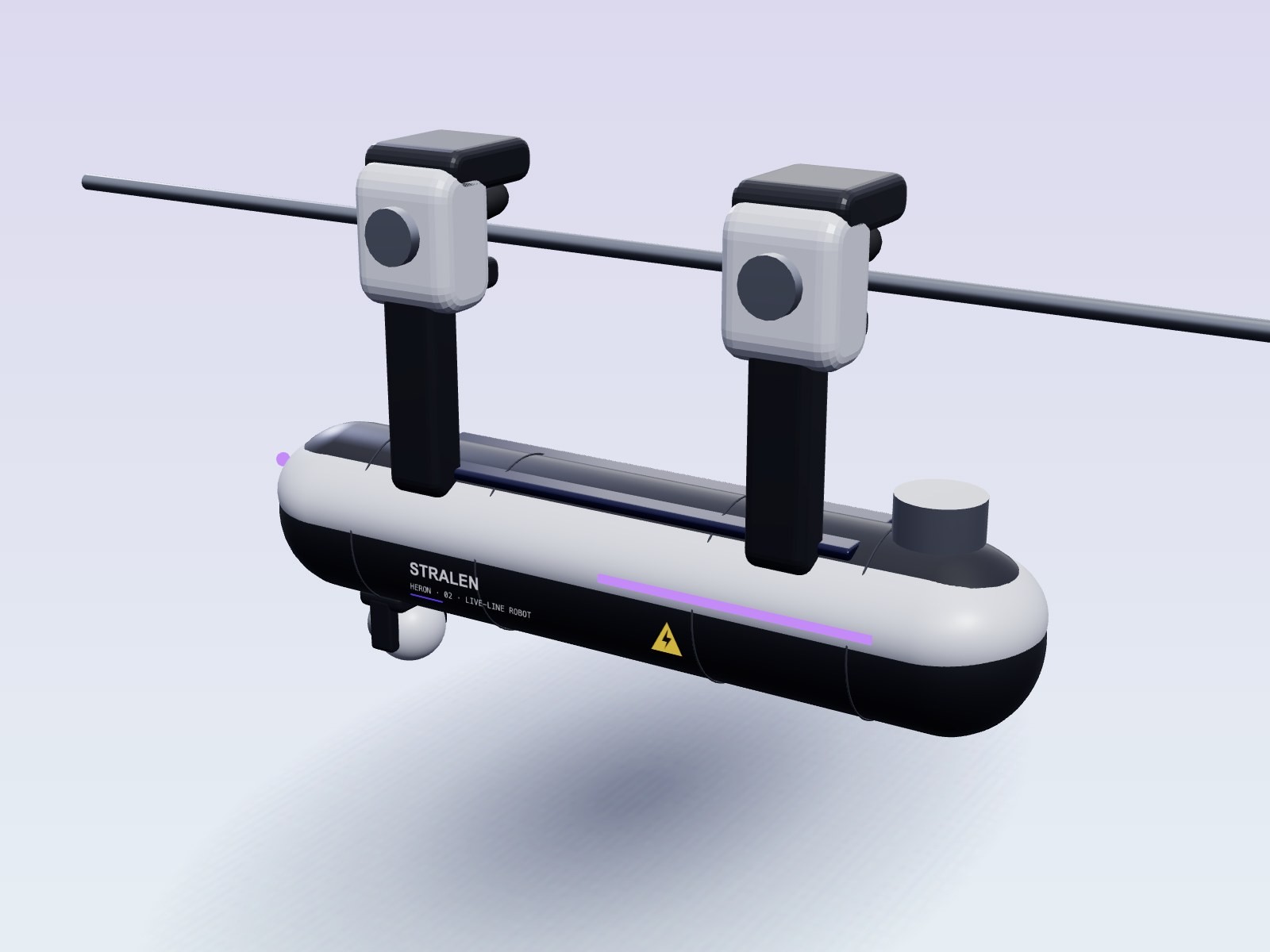
Heron hangs on an energised conductor and drives itself from tower to tower, crossing dampers and spacers on its own. It charges from the sun and the line it rides, so it can stay out all season.
38 kg
69–500 kV
Hot-stick install
spans a night
kg in a padded case
on the wire
and still working
02 · Tower drone
Wren
Flies the tower in six minutes. Reads the bolt numbers.
Wren flies the same scripted orbit around every tower, so every photo lines up with last year’s. It folds into a 40 cm case and flies from the crew truck in 90 seconds.
3.1 kg
42 min
RTK GNSS
per tower
optical zoom
in the air
case to take-off
03 · Corridor VTOL
Condor
300 km of corridor on a single charge.
Condor takes off vertically from a 3 m pad, then cruises on its wing along the corridor. It patrols after storms, watches for smoke in fire season and maps vegetation across whole regions.
16 kg
BVLOS
Solar wing
per charge
cruise speed
landing pad
smoke to de-energised
Trusted on 11,400 km of line
Out every night for the people who keep the lights on.
NORTHRIDGE POWER
KEEL VALLEY ELECTRIC
TAMARACK HYDRO
BRENNER GRID
SALTMARSH CO-OP
FJELLNETT NORD
LARCHMONT ENERGY
ØSTVIK KRAFT
The people behind the robots
Lineworkers, roboticists and pilots in Trondheim, Calgary and Denver. Most of us have stood under a line at 4 a.m. and wished it could tell us what was wrong.

Sana Iqbal
2022
Co-founder, CEO
Spent nine years in grid operations at Statnett before deciding the line should inspect itself.

Rohan Mehta
2022
Co-founder, CTO
Built climbing robots for wind turbines. Holds eleven patents and one very old soldering iron.

Lin Zhao
2023
Head of Perception
Led thermal imaging research at a satellite company; now teaches robots what 'too hot' means.
Kjetil Brandvold
2023
VP Hardware
Twenty years designing equipment that lives outdoors in the Arctic, from weather buoys to snow radar.

Hanna Lund
2024
Head of Flight Operations
Flew wildfire reconnaissance in British Columbia before running Condor's BVLOS programme.

Arjun Pillai
2024
Field Lead, North America
Journeyman lineworker for 22 years. If a robot is hard to hang, Dale says so first.
Careers · 7 open roles
Join the line crew.
We are 64 people across Trondheim, Calgary and Denver: lineworkers, roboticists, pilots and the people who build software for all three. We hire for care, curiosity and a tolerance for cold hands.

Senior Robotics Engineer, Drive Systems
Trondheim, Norway
Hardware
→
Field Robotics Technician
Calgary, Canada
Field
→
Computer Vision Engineer, Thermal
Trondheim or remote (CET ±3)
Perception
→
Flight Operations Lead, Condor
Fort McMurray, Canada
Flight
→
Product Designer, Line Record
Remote (Europe or Americas)
Software
→
Utility Partnerships Manager
Denver, USA
Commercial
→
From the line

Field notes
What a robot learned in its first winter on the line
Six months, 1,240 spans and one ice storm on the Tamarack 230 kV line in northern Alberta.

Engineering
Why we fly thermal at night
Sunlight makes steel look hot. At night, the only heat left is heat the line is making.

Vegetation
Counting trees from the conductor
How LiDAR from the wire changed trim cycles on 800 km of corridor.
Plan a pilot
Put a robot on your worst span.
Tell us where it hurts. We’ll hang two Herons on it for 90 days and show you everything they find, span by span.